

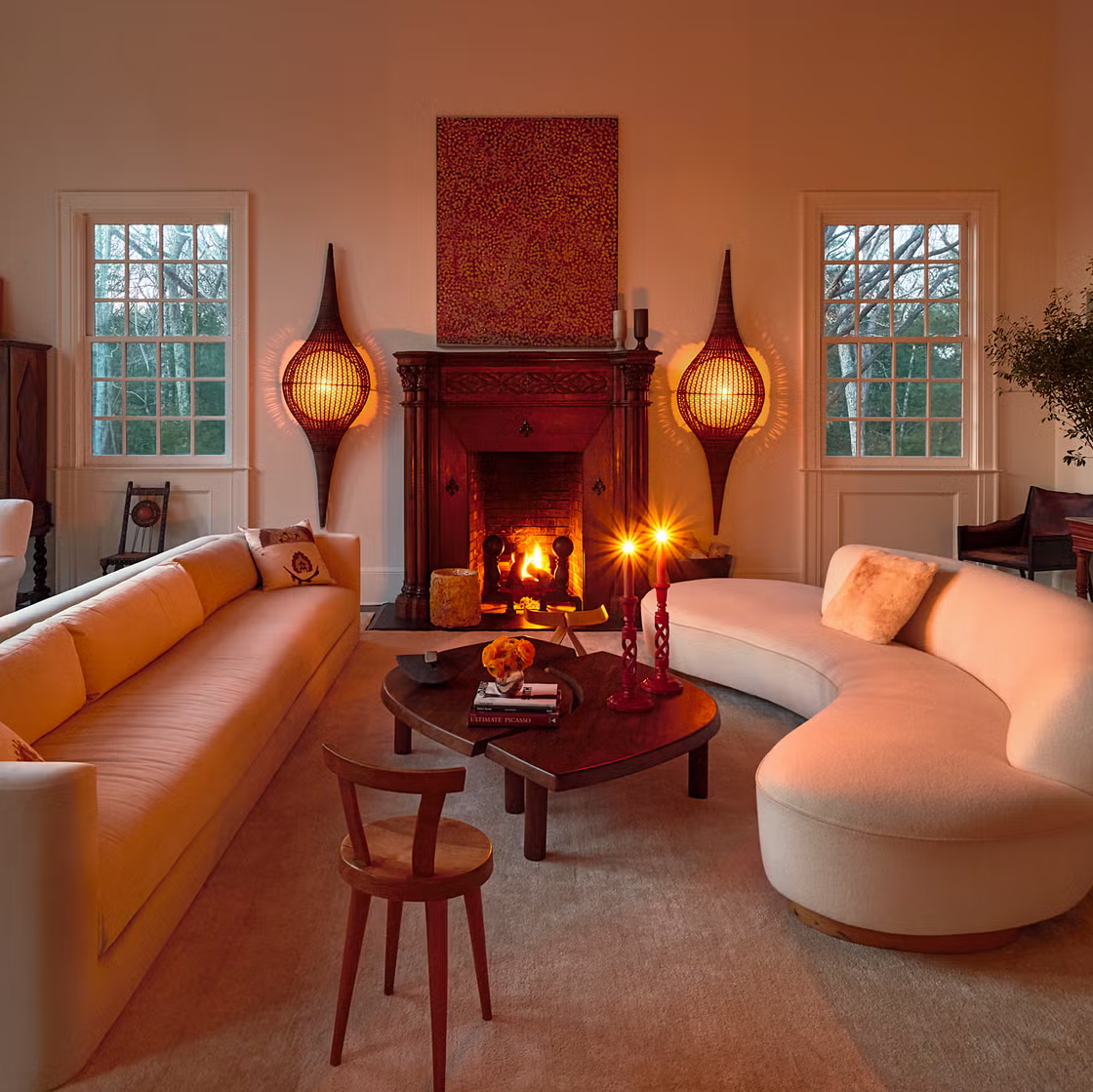
Interior design in 2026 is moving away from the stark minimalism of the past decade and returning to warmth, character and craftsmanship. Designers report growing demand for curved furniture, architectural details, richer color palettes and the revival of traditional elements like crown molding and layered textiles. Homeowners are mixing materials, reupholstering vintage pieces and embracing jewel tones, textures and patterns—choices that make spaces feel more personal and less formulaic. These shifts aren’t new concepts, but a recalibration after years of pared-down, beige interiors.
Rooms are becoming fuller and more tactile, with layered fabrics, patterned textiles and varied natural materials creating depth. Curves are appearing in furniture, millwork, stone profiles and even cabinetry, helping soften rigid layouts and bring movement to open spaces. Decorative details—chair rails, picture-frame molding, tailored drapery, structured upholstery—are also back, adding architectural interest especially in newer homes built during the minimalist era. Overall, 2026 design favors warmth, complexity and “dressed” interiors that tell a story rather than staying stripped-down and neutral.


